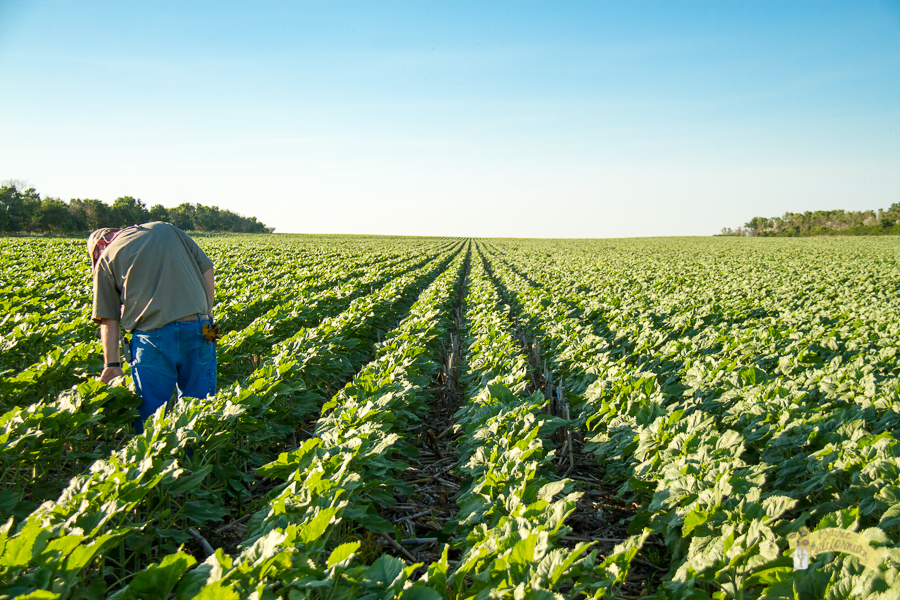
What exactly is an agronomist?
An agronomist is a professional who applies scientific expertise and procedures for the administration and manufacture of crops. Agronomists work in a number of settings, from farms and ranches to governing administration agencies and personal businesses. They may function in research laboratories or train at colleges and universities.
Most agronomists have at least a bachelor's degree in agronomy or a connected industry, like agricultural science or soil science. A lot of agronomists even have master's degrees or doctorates. The exact nature of an agronomist's career depends upon their specialty and employer.
Agronomists Participate in a significant function in making certain that crops are healthier and successful. They use their expertise in plant science to establish ways to enhance crop yield, battle pests and diseases, and conserve water and various resources.
The role of an agronomist
is to help the world meet its developing food generation needs. According to the U.S. Bureau of Labor Figures (BLS), employment for agronomists is expected to grow more quickly than average, with openings as a result of development and replacement needs.
The work of the agronomist
is hard and fulfilling, with agronomists generally becoming involved in research and schooling.
The schooling of an agronomist
Agronomists need a minimum of a bachelor's diploma in agronomy or similar area from an accredited university.
The future of agronomy
Agronomists help to make certain that the earth's population has learn more more than enough food stuff, they usually perform to enhance crop yields and reduce agriculture's influence on the natural environment. The BLS says that agronomists are in demand, but the level of competition for Employment is likely to here generally be strong.
Conclusion
Agronomists are focused on the review of plants, plus they perform in a variety of fields, from agricultural analysis to raising crops. Agronomists are essential to make certain that crops are produced for consumption, but Additionally they help develop biofuels together with other plant-based products.